Under cover
A year under the zipper: living with a dust cover
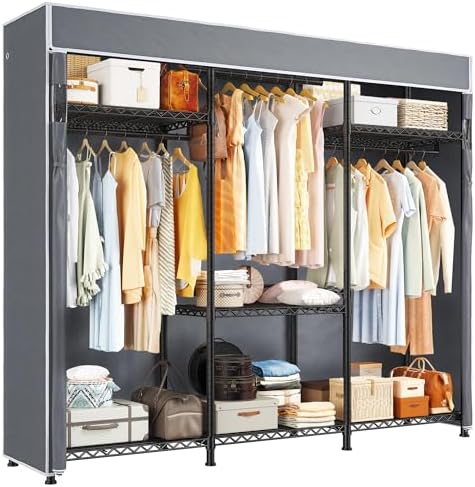
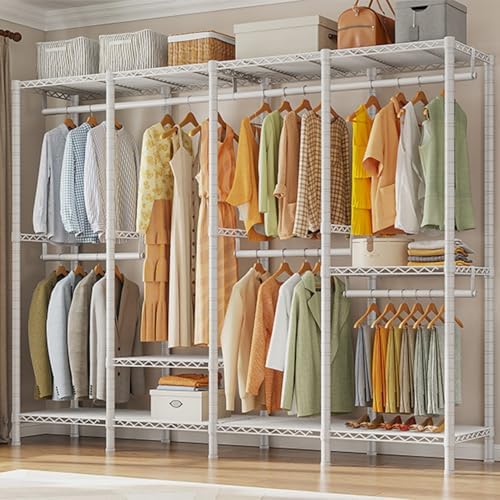
A covered rack is a promise with conditions. Kept, it hands you back clothes in the color you left them, without the gray film a season of open air puts on shoulders. Ignored, the cover becomes a wrinkled skin you fight twice a day. The difference is a few habits.
What the cover earns its keep on
Dust, first and most. Whatever settles in a room settles on the highest horizontal surface, and on an open rack that surface is your coats. Light, second: the end garment on an open rail fades on one side within a season if a window faces it. Pet hair, third; a zipped front is the only argument a cat respects. Off-season storage is where all three add up, which is why the covered section of our catalog leans deep and tall.
What it was never for
A cover is not a cedar chest and it does not seal. Air moves through fabric, which is the point; sealed clothes come out smelling of the seal. It follows that nothing damp goes in. A coat that came in from rain hangs in the open tonight and moves behind the zip tomorrow. And the cover does not make the frame stronger or the rod longer. The load rules stay exactly what they were.
Zip habits
- Two hands: one runs the zipper, the other holds the fabric taut ahead of it. Every cover that failed on us failed at a corner someone forced one-handed.
- Do not zip against a bulge. If the slider is climbing a sleeve, the rail is packed past the frame width. Move a hanger, then zip.
- Leave it open for an hour after a laundry day. Fresh-washed clothes carry moisture you cannot feel, and an hour of air costs nothing.
Where it belongs
Covered racks do their best work out of the main traffic: a basement corner, a spare room, the far wall of a bedroom. Put one where you dress daily and the zipper becomes a toll booth. Put it where the off-season lives and you stop thinking about it, which is the highest compliment storage gets.