The fine print
How to read a load rating without getting burned
Our listings carry load numbers, and we stand behind them, but a rating is a sentence with fine print. Reading it well is the difference between a rack that shrugs at winter and a rod with a bow in it.
Static means still
A static rating describes weight that is spread out and not moving. Clothes hanging quietly along the whole rod qualify. A duffel bag hooked over one end does not, and neither does the pull-up your kid will attempt exactly once. The number also assumes the frame stands level; a rack with one caster on a rug edge is carrying its load crooked, and crooked is how joints wear.
Rod versus frame
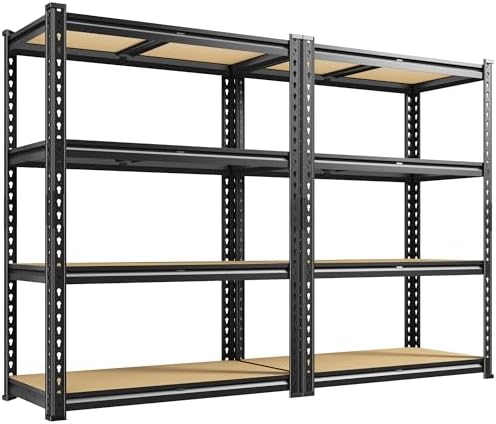
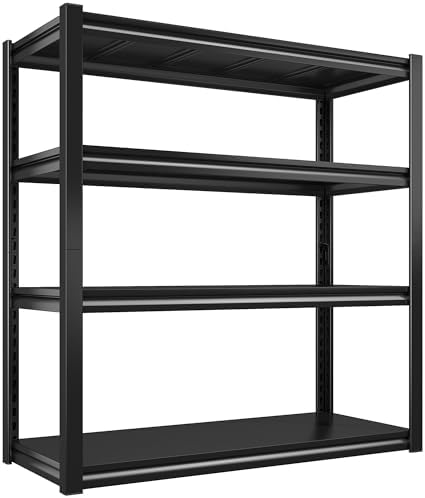
On a double-rod rack, each rod has its own share of the total. Load the top rod to the full frame rating and you have overshot it by the weight of everything below. Shelving works the same way in reverse: a per-shelf number and a whole-unit number are different facts, and the whole unit is what the floor feels.
What clothes actually weigh
Less than fear suggests, until winter. A cotton shirt is around half a pound. Jeans run a pound and a half. A wool overcoat can pass four, a parka too, and a wet anything roughly doubles. A rail of forty mixed hangers usually lands well under a hundred pounds, which is why our ratings look extravagant next to a normal load. That margin is not waste. It is what stays calm when the whole rail slides to one side, when a shelf takes a box of books it was never promised, and when the rack rolls loaded over a door threshold.
The habit that beats the number
Load from the center outward and heavy at the bottom. That single habit keeps the center of gravity low and the rod straight, and it makes almost any frame feel better built than its price. The rating protects you at the extremes. The loading habit protects you every day.